Do These 5 Things Before Trying to Remove Trees from Your Property
Removing a tree from your property might seem straightforward—grab a chainsaw, make a cut and let gravity do the rest. In reality, tree removal is one of the most dangerous home-maintenance tasks a property owner can take on. Even a seemingly small tree can weigh hundreds of pounds, fall unpredictably, and cause serious injury or damage when handled improperly.
Before you attempt the job yourself, it’s critical to take the proper precautions. Whether you’re removing a tree due to disease, storm damage, or to enhance your landscape, the steps you take ahead of time can determine the safety and success of the entire project.
Here are five essential things you must do before trying to remove trees from your property.
1. Assess the Tree’s Health and Stability
Not all trees are created equal when it comes to removal. Some are healthy and sturdy, while others may be rotted, hollow, or weakened by pests—all of which make them unpredictable. Before cutting, walk around the tree and look for:
- Cracks or splits in the trunk
- Dead or missing bark
- Branches without leaves during growing season
- Fungus growth at the base
- A noticeable lean
Unstable or dying trees can fall in unexpected directions once you begin cutting. If you notice these warning signs, DIY removal becomes especially hazardous. Consulting with arborists or trained professionals can help identify risks that the untrained eye might overlook.
2. Identify Surrounding Hazards
Tree removal isn’t just about the tree—it’s about everything around it. Take time to survey the area for potential dangers such as:
- Nearby power lines
- Fences, sheds, or other structures
- Vehicles parked close to the work zone
- Underground utilities
- Neighboring trees whose branches may interfere
Even a slight miscalculation can cause costly damage or serious injury. If the tree is close to power lines, do not attempt to remove it yourself. In these cases, contacting your utility company or hiring safe tree removal specialists is the only safe option.
3. Prepare the Right Safety Gear
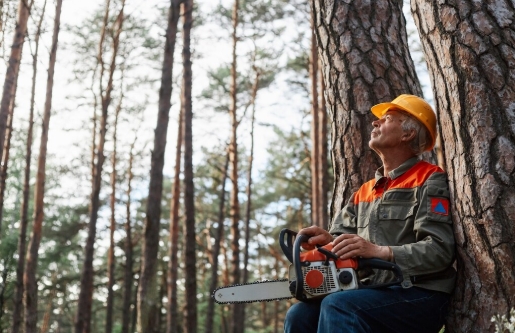
Tree removal requires far more than a chainsaw. Proper safety equipment is essential. Before taking any action, gather:
- Heavy-duty gloves
- Safety goggles or a face shield
- Ear protection
- Steel-toe boots
- Hard hat
- Chainsaw-resistant chaps
- Secure ladders or climbing equipment
Without the right gear, you expose yourself to avoidable hazards like flying debris, chainsaw kickback, and falling branches. Many homeowners underestimate how physically demanding and unpredictable tree removal can be, which is why professionals always work with specialized, high-grade safety gear.
4. Plan the Fall Direction Carefully
One of the most important parts of tree removal is predicting and controlling where the tree will fall. Study the natural lean of the tree, the weight distribution of the branches, and the condition of the trunk. You’ll need to:
- Determine an open, clear landing zone
- Create an escape route at a 45-degree angle from the anticipated fall line
- Remove obstacles from your work area
- Make precise cuts to guide the direction of the fall
If you’re not experienced in this type of planning, the risk of injury skyrockets. Incorrect cutting angles or misjudging the tree’s lean can cause it to twist, split, or fall backwards—one of the most common causes of accidents during DIY tree work.
5. Know When to Call Professionals
Even if you’re comfortable doing other outdoor projects, tree removal is in a category of its own. When a tree is large, rotten, tangled in other trees, located close to structures, or simply unpredictable, hiring experts is the smartest move.
Professional arborists have the training, equipment, and experience needed to handle difficult removals safely. If you’re unsure at any point, contact safe tree removal specialists who can assess the situation and complete the job without putting you, your property, or your neighbors at risk.
Final Thoughts
Tree removal is not a casual weekend DIY project. By carefully assessing the tree, identifying hazards, preparing the right equipment, planning the fall, and knowing when to seek professional help, you greatly reduce your risk and improve the outcome. Your property—and your safety—are worth the extra preparation.