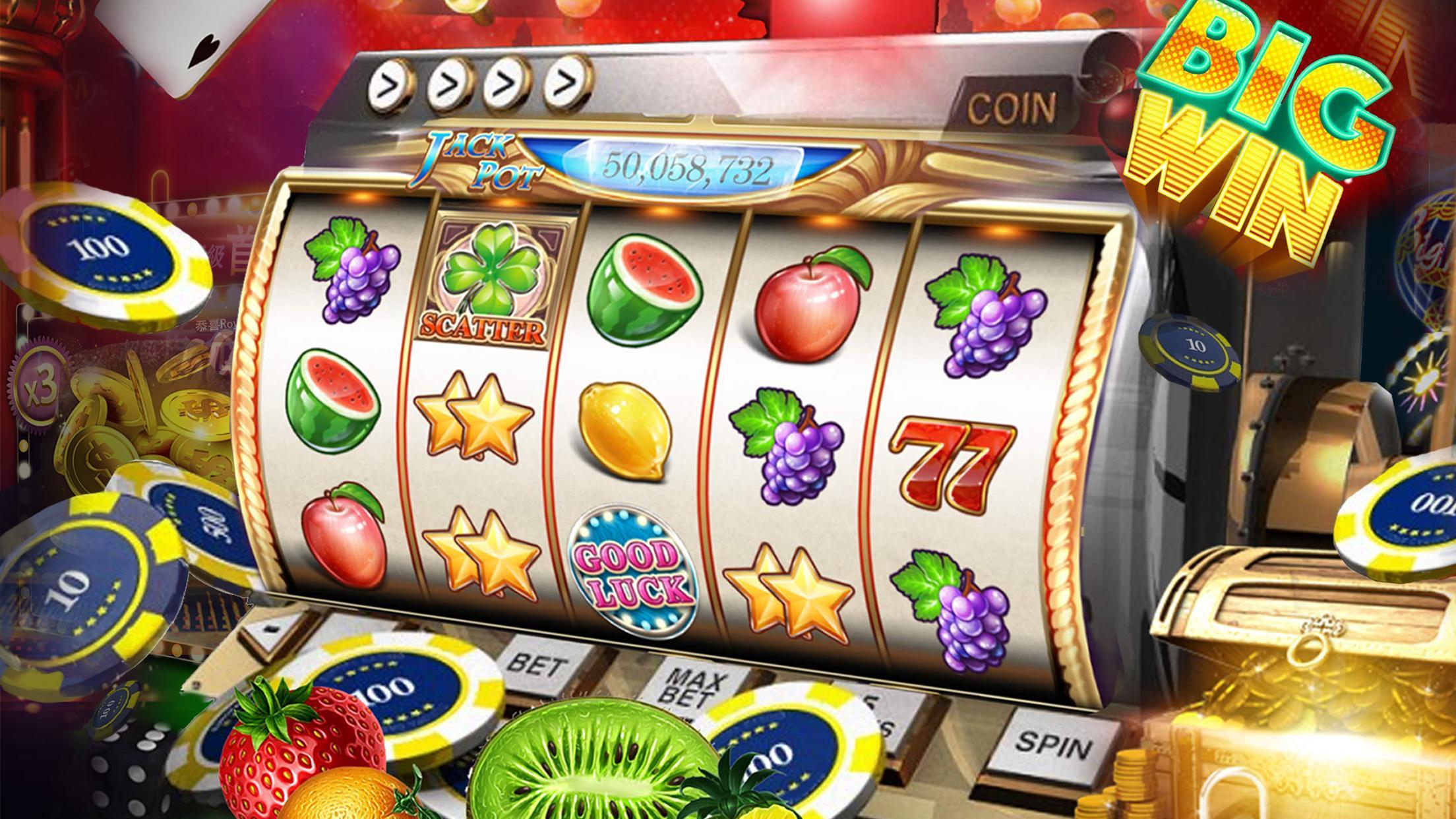
Ever Wonder Why Perya Games Hook You? Here’s the Psychology
If you’ve ever found yourself saying “just one more round” at a perya, don’t worry—you’re not weak-willed. You’re just human.
Every Perya Game—from the color dice to the balloon-popping booths—is a perfectly tuned machine designed to hijack your senses.
What seems like harmless fun is actually a masterclass in psychology. The lights, the sounds, the smells—all of it is planned to make you feel lucky, hopeful, and just distracted enough to ignore the math of losing.
Even online versions like GameZone’s Perya Game borrow the same tricks. The format may be digital, but the manipulation is timeless.
Let’s peel back the curtain and talk about what’s really going on inside your brain when you step into (or tap into) the world of the Filipino perya.
The Color Game: Why Bright Lights Make You Bold
First off, color. The perya’s palette could make a rainbow feel underdressed. Neon reds, yellows, and greens don’t just scream “look at me!”—they whisper “take a chance.”
Color psychology explains that these shades heighten excitement and lower inhibition. That’s why casinos and fast-food joints use them too—they create urgency and confidence.
Take the Color Game, the most iconic of them all. You pick a color, roll the dice, and hope for luck. It feels simple, but your brain’s already working against you. Those colors trigger your reward center, so before you even bet, you’re primed to believe you’ll win.
You’re not buying odds—you’re buying the feeling of being lucky. And that’s why walking away after losing still feels oddly thrilling.
Sound: The Perya’s Secret Hypnotist
Now let’s talk about the noise. It’s chaos, sure—but not random chaos.
The clink of coins, barkers yelling “last two!”, and the steady thump of dance music—it’s all engineered to keep you engaged.
Here’s how it works: when you hear someone win, your brain thinks you can win too. Psychologist Robert Cialdini calls this social proof.
It’s the same reason people clap when others do—it’s contagious belief.
Add in the constant bells and jingles, and your brain gets flooded with dopamine. Those sounds are mini “reward signals,” each one convincing you that fun equals progress.
Slot machines and digital Perya Game apps use the same audio psychology. They don’t just make sound effects for flavor—they make them to keep you hooked.
The Smell (and Taste) of Nostalgia
Here’s something subtler: scent.
That smoky aroma of barbecue? The sweetness of cotton candy? They’re not just background—they’re emotional cues.
Smell is one of the most powerful memory triggers in the human brain. The second that scent hits, you’re not just in a perya—you’re back in your childhood.
You stop thinking about money and start thinking about moments. And when you’re wrapped in nostalgia, your guard drops. You spend more, play longer, and feel happier doing it.
It’s emotional marketing in its purest form—and it works just as well in digital form. That nostalgic tone and carnival imagery you see in GameZone’s Perya Game? That’s nostalgia turned into code.
The Architecture of Temptation
Even the physical layout of a perya is designed to trap you—politely, of course.
Notice how stalls are set in circles or narrow rows? It’s called choice architecture.
By surrounding you with constant options, the perya makes sure your brain never fully “resets.” You finish one game, see another, and feel the same itch to try again.
And those flashing lights, spinning wheels, and moving LEDs? They hijack your brain’s “attentional capture” mechanism—basically, your automatic focus on motion and brightness.
You think you’re freely exploring, but you’re actually being guided in a carefully engineered loop.
Even online, Perya Game platforms mimic this structure through endless scrolling menus and blinking “Play Again” buttons. It’s psychological herding—digitized.
The Thrill of Almost Winning
Here’s the cruel genius of it all: the near-miss effect.
That’s when you come painfully close to winning—one dice color off, one slot away—and your brain lights up as if you did win.
Psychologists Habib and Dixon (2010) found that near-wins trigger the same dopamine release as real victories.
It’s your brain saying, “You’re so close, try again!” even though nothing’s changed.
That’s why people stay glued to games for hours—they mistake proximity for progress.
In truth, the perya doesn’t thrive on wins—it thrives on almost wins. Hope, not success, keeps the lights on.
The Social Side of the Spectacle
Here’s where things get sentimental.
Despite all the manipulation, the perya remains one of the most communal spaces in Filipino culture. It’s not just about betting—it’s about belonging.
In towns and barangays, the perya transforms empty lots into pop-up villages. Kids chase balloons, adults share street food, and everyone laughs over shared defeats.
The games are only half the experience; the other half is the people.
Even when you lose, you’re part of something collective. The noise, the movement, the small-town energy—it all blends into one shared moment of escape.
And maybe that’s the real reason we forgive the manipulation: it’s fun to be fooled together.
The Digital Perya: Same Tricks, New Medium
Fast forward to the present. The perya hasn’t disappeared—it’s evolved.
Now, Perya Game apps bring the same psychology online. Bright colors? Check. Reward sounds? Check. The near-miss rush? Definitely.
The only difference is that you’re playing on a screen instead of under string lights.
Game developers didn’t reinvent the wheel—they digitized it.
The thrill, nostalgia, and illusion of control are all intact. The perya just moved to your pocket.
And judging by how addictive these games can be, the formula works even better online.
Why We Keep Coming Back
So why do we fall for it every time?
Because the perya isn’t just about winning—it’s about feeling alive.
It’s where the senses collide, the crowd cheers, and life briefly feels like a game you can control.
It’s the rush of risk, the warmth of community, and the comfort of nostalgia—all rolled into one noisy, flashing, perfectly calibrated experience.
We don’t keep playing because we expect to win.
We keep playing because it feels good to try.
And maybe, deep down, that’s what makes the Perya Game timeless: it reminds us that even in chaos, there’s joy.
FAQs About Perya Game Psychology
1. Why are perya games so addictive?
Because they’re designed that way. The combination of color, sound, and near-miss mechanics keeps your brain’s reward system activated, making it hard to walk away.
2. What is the near-miss effect in perya games?
It’s when you come close to winning and your brain reacts as if you actually did. This creates a false sense of progress and keeps you playing longer.
3. Do online Perya Games use the same tricks as real carnivals?
Yes. Digital versions like GameZone’s Perya Game use colors, sounds, and fast feedback loops to mimic the emotional high of real-world perya experiences.
4. Are perya games rigged?
Not necessarily rigged, but definitely calculated. The design favors the house, not the player—but it gives just enough hope to keep you engaged.
5. Why do people still love playing Perya games despite knowing the odds?
Because perya games aren’t just about money—they’re about community, nostalgia, and emotional release. Winning is nice, but belonging feels better.