How slot machines evolved from mechanical reels to digital interfaces
The story of slot machines is more than a tale of gaming. It’s a chronicle of human ingenuity, shifting entertainment preferences, and relentless technological innovation. What began as a mechanical novelty in the late 1800s has evolved into a complex and immersive digital experience. Today, slot machines can be found in both traditional casinos and on digital screens around the world, enjoyed by millions each day. But how did we get here?
The birth of slot machines: mechanical reels and early designs
The invention of the slot machine is commonly credited to Charles Fey, a mechanic working in San Francisco in the 1890s. His machine, the Liberty Bell, was a marvel for its time—a simple device featuring three mechanical reels, five symbols, and a coin slot. Players would insert a coin, pull the lever, and watch the reels spin. If three Liberty Bells lined up, the player would win the top prize of fifty cents—a solid reward in the 19th century.
The simplicity of the mechanism was its genius. The machine used springs and gears to govern the behavior of the reels, and its payout system was fully automatic. In a time before computer chips and touchscreens, the mechanical brain of the Liberty Bell offered both fairness and entertainment—principles still valued today on trusted platforms Slot Terpercaya.
Symbols in these early machines were typically horseshoes, stars, bells, and suits from playing cards. Each spin was a fully mechanical act, and each result, though random, was dictated by physics and timing rather than algorithms.
As the Liberty Bell’s popularity grew, imitators quickly entered the scene. Slot machines spread from bars and barber shops to gambling houses and casinos. Although gambling laws at the time varied greatly, the machines’ appeal was undeniable.
Electromechanical slots: bridging the gap to modern gaming
It wasn’t until the 1960s that the first major technological upgrade occurred. Bally Technologies introduced “Money Honey” in 1963—the first electromechanical slot machine. While it still featured spinning reels and a lever, the mechanics inside were now supported by electric motors and circuitry.
This transition allowed for innovations that were impossible in fully mechanical models. Machines could now accept larger coin volumes and offer bigger payouts. Lights flashed, sounds played, and slot machines became louder, more interactive, and more visually exciting.
Another key evolution during this period was the rise of multi-coin betting and cumulative jackpots. Rather than winning just a set amount, players could bet more and unlock higher potential payouts. Slots were becoming more than just a distraction—they were transforming into entertainment systems in their own right.
The 1970s also brought changes in regulation and public perception. Slot machines were increasingly seen not just as gambling devices but as attractions. Casinos redesigned floors to emphasize these machines, often placing them near entrances or social spaces to attract traffic.
The digital revolution: video slots take over
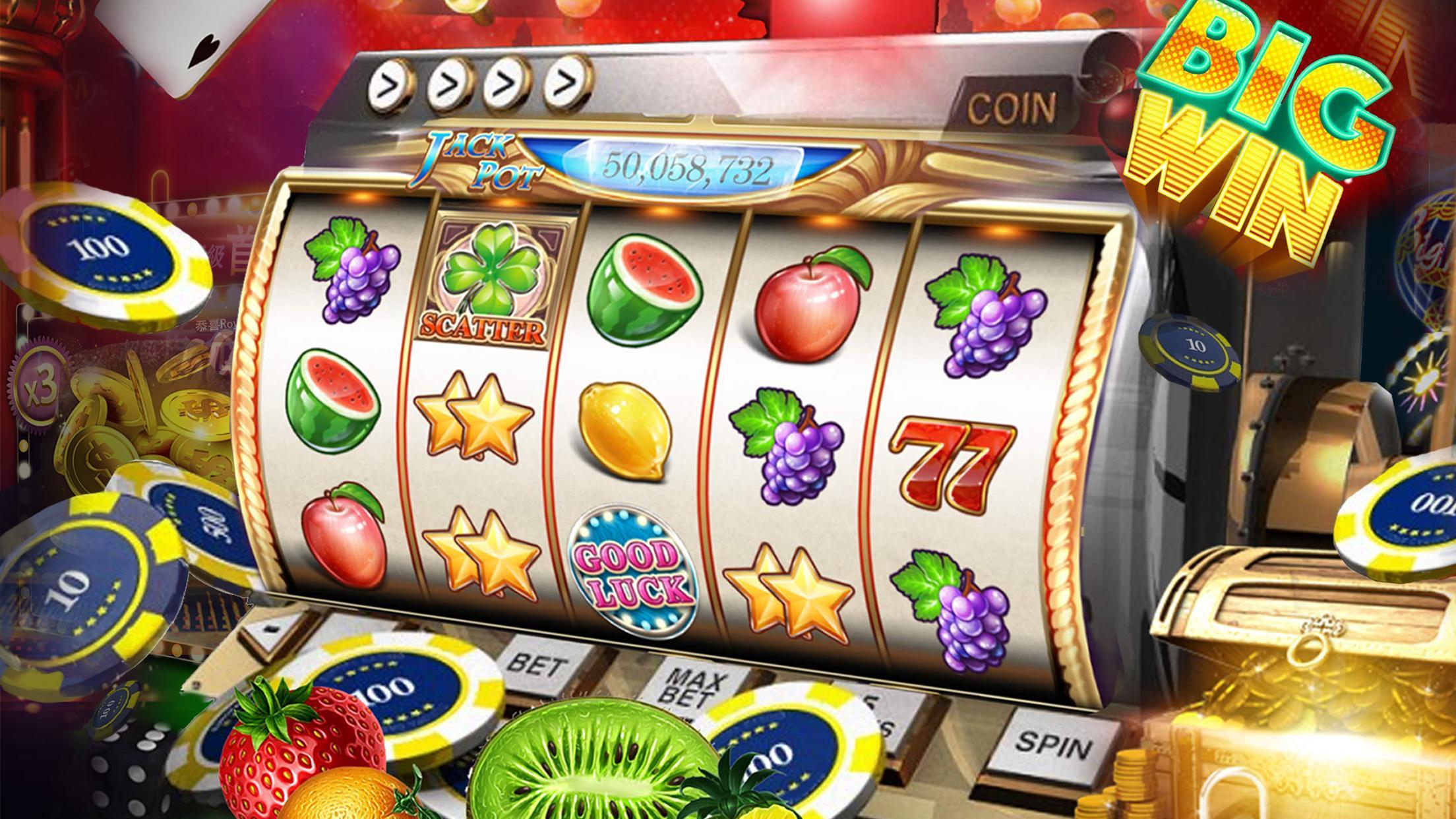
The next revolution came in the late 1970s with the introduction of video slots. The Fortune Coin Company developed the first machine of this kind, which used a modified television screen to display simulated reels. No longer constrained by mechanical parts, developers were now free to experiment with layout, themes, and mechanics.
This was also the era of the Random Number Generator (RNG). Unlike mechanical slots, where outcomes depended on physical reel positions, video slots used algorithms to determine results. This ensured unpredictability and fairness while enabling the creation of more diverse and engaging gameplay.
Video slots allowed for multiple paylines, interactive bonus features, and far more creative storytelling. Developers could now build themed slots with rich visuals and even include mini-games. Titles based on TV shows, movies, and historical eras started appearing.
This was a turning point. Slot machines were no longer just about pulling a lever and watching reels—they had become a multimedia experience.
Online slots and the internet boom
In the mid-1990s, the rise of the internet opened up a new frontier: online casinos. Players no longer needed to travel to Las Vegas or Atlantic City; they could now play from their own homes. This shift wasn’t just about convenience—it also led to an explosion in game design.
Developers began creating hundreds of new slot games annually, each with unique visuals, audio, and mechanics. The pace of innovation was staggering. Online platforms allowed for instant access, demo play, and a much wider variety of games.
Sites began to gain popularity for offering verified, transparent gameplay and secure payment options.
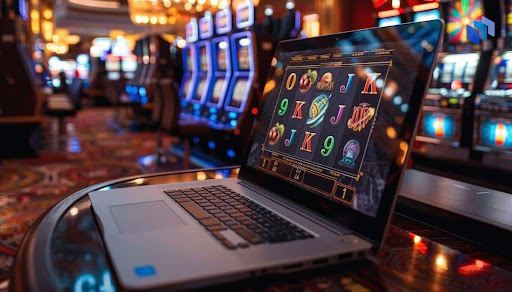
By the 2010s, smartphones had become powerful enough to run full-scale slot games, and mobile gaming took off. Developers responded by optimizing their games for touchscreens, smaller displays, and variable internet speeds. Today, the majority of online slot play occurs on mobile devices.
Modern innovations: 3D graphics, VR, and skill-based elements
If the early 2000s were about digitizing slots, the 2020s are about enriching the experience. Modern slot games now incorporate high-definition 3D graphics, motion-capture animations, and orchestral soundtracks.
Virtual Reality (VR) has started to make its way into the industry as well. With VR headsets, players can enter fully realized digital casinos, interact with machines in 3D space, and even chat with other players. Though still in early development, this technology promises to bring a new level of immersion.
There’s also growing interest in skill-based elements. While traditional slots are entirely luck-based, some newer games allow players to influence outcomes through reflex-based mini-games or strategic decision-making. This appeals to a younger demographic used to interactivity and control in gaming Lucky99.
The future of slot machines: where technology is heading
Looking forward, we’re likely to see even more personalization and automation. Artificial Intelligence (AI) is being used to analyze player behavior and adjust gameplay accordingly—offering custom themes, adaptive difficulty, and personalized rewards.
Blockchain may also become more prominent. It offers the potential for provably fair gameplay, secure decentralized payments, and immutable record keeping. Though still emerging, blockchain-based slots are already being tested by pioneering developers.
Another key area is regulation. As slot machines become more advanced, ensuring fairness and responsible gaming becomes increasingly important. Technologies like identity verification, age filters, and session tracking are becoming more robust. Global jurisdictions are watching closely, and developers will need to stay agile.
Despite all this evolution, the essence of the slot machine remains: the thrill of anticipation, the simplicity of the spin, and the chance—however small—of a big win. From dusty saloons to virtual metaverses, slot machines have proven remarkably adaptable.