Odor control that lasts. Pairing antimicrobial threads with wash protocol validation
Bad smell makes good gear feel old.
Sweat, skin oils, and tiny microbes love warm fabric.
If we want freshness to last, we need two things working together. First, smart materials like antimicrobial threads and clean finish choices. Second, a wash protocol that is proven to work in real life. Materials fight the source. Washing resets the clock. Together, they keep uniforms and activewear fresh for many cycles.
Why garments smell
The source of foul odor is bacteria that break down sweat and oils into molecules that smell awful. The fabric holds moisture. Seams trap dirt. If the wash is weak or too gentle, the buildup stays. After a few wears, the nose knows. So we slow micro growth, and we clean better.
Antimicrobial thread basics
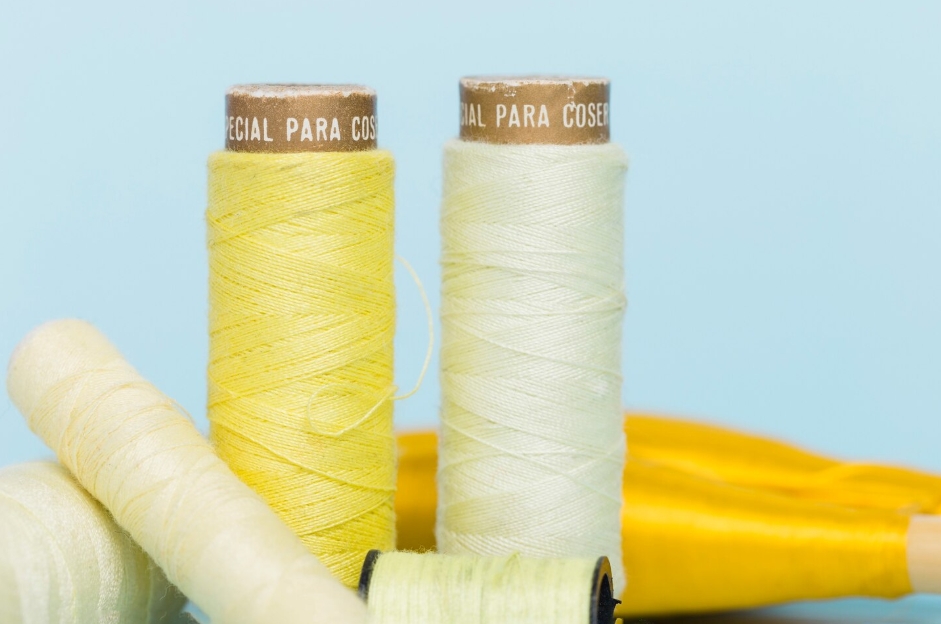
Antimicrobial thread is a normal recycled sewing thread that also reduces microbial growth near the seam. There are two big approaches:
- Inherent polymer or bound additive. The active part is locked inside or on the surface so it does not wash away fast.
- Finish based. A treatment on top of the thread. Works, but may fade earlier.
When possible, choose non-leaching, metal-free systems for apparel that touches skin for long hours. They are kind to fabric and keep claims simple. Check the supplier notes for wash durability and safety.
Where antimicrobial thread helps most
- Regions that are prone to dampness: Underarms, waistbands, etc.
- Places that touch skin and trap sweat: backpack strap paths, bra bands, helmet liners.
- Workwear hot spots: collars, inner plackets, mask edges, hat sweatbands.
Run an antimicrobial thread in the needle and looper on these seams, not only in one side. The inside face is what touches skin.
Fiber and finish choices that assist
- Polyester with textured looper thread feels soft and dries fast. Less moisture means fewer smells.
- Solution dyed blacks and navies resist crocking and staining, so dirt does not glue to the seam.
- Low-friction sewing finish cuts needle heat, which reduces resin scorch that can hold odor later.
- Silicone-free options near print or bonding so you do not create wash-resistant spots.
Stitch plans that do not trap stink
- Use flat stitches that do not make tall ridges. Flatlock or coverstitch lies smooth and dries faster than bulky stacks.
- Keep SPI moderate so you do not make a tight perforation line that holds sweat. 10 to 12 SPI for knits, 8 to 10 for wovens, is a good start.
- Round corners at 6 to 8 mm radius. Sharp corners, pack stitches, and lint.
The wash protocol is half of the story
Even great materials fail ifthe wash is random. Write a small, clear wash protocol and test it.
For home care labels
- Wash cold or warm, not hot, unless the fabric allows it.
- Use a measured dose of a quality detergent. Not too little, not too much.
- No heavy softeners for performance knits. Softeners can coat yarns and lock in smell.
- Dry fully. Line dry or low tumble. A damp hem is a smell magnet.
For industrial or hospitality
- Confirm pH, temperature, and time at your plant.
- Rinse fully. Residue feeds microbes.
- Dry to target the moisture content, not guess.
- Keep clean-out cycles for machines so biofilm does not build. up
Validation that proves it will last
Do simple tests before you scale. Use side-by-side samples with and without antimicrobial thread.
- Sweat soak and wear simulation
Soak panels in a synthetic sweat, wring, then hold at warm room conditions for 24 hours. Smell score with a small panel. Repeat for 5 cycles. The antimicrobial seam should stay lower on the score. - Wash durability
Run several different wash cycles using the exact protocol you plan to print. Smell again. Measure any shade change or hand change at the seam. - Quick microbiology spot check
If you have a partner lab, do a simple colony-forming unit count before and after washing on the seam area. You are looking for a healthy reduction pattern that stays stable over cycles. - Field trial
Give 10 users two tees each. One normal. One with antimicrobial seams. Wear, wash, repeat for two weeks. Collect short notes.
Where claims can go wrong
- Leaching or heavy metal systems that move into wash water or change with sweat pH. These can raise safety and compliance issues.
- Overblown marketing like kill all odor forever. Do not say that. Say what you tested.
- Wrong laundry. If stores wash hot with chlorine or soak in softener, your design will not win. Train them.
Troubleshooting quick table
| Problem | Likely cause | Fast fix |
| Smell returns after 5 washes | The finish wore off or the wash was too mild | Use an inherent or bound system; increase wash time or dose |
| The seam feels rough on the skin | Tall stitch ridge or heavy ticket | Switch to flatlock or cover; drop to finer thread and smaller needle |
| Stink at hems only | Drying incomplete | Add the hem weight for airflow or change the dry time |
| Odor near printed zones | Silicone finish or trapped ink | Use silicone-free thread near print and cure prints per spec |
| Claims blocked in the market | Non-compliant chemistry | Switch to metal-free systems and keep documentation ready |
Tech pack lines you can copy
- Thread map: antimicrobial recycled polyester thread in needle and looper on underarm, neck, waistband, cuff seams.
- Tickets: Tkt 120 to 100 on tees, Tkt 80 to 60 on heavier knits.
- Stitch: flatlock 602 or cover 406 for body contact seams; SPI or length 3.0 to 3.5 mm.
- Needles: ball point NM 65 to 75.
- Finish: low friction, silicone free near prints.
- Validation: sweat soak smell score new, 10, 20, 30 washes using protocol V1.
- Care: no softener, wash warm, dry low or line dry.
Wrap
Long-lasting odor control is a team job. Antimicrobial threads lower microbial growth where fabric meets skin. A tuned wash protocol removes the fuel and resets the garment again and again. Test both together. Keep claims honest. Train stores and users with simple steps. Do that, and your gear smells fresher longer, feels better, and comes back as returns far less often.