What Human Services Case Management Software Really Does: From Intake to Outcomes
To the untrained eye, it just looks like software. A dashboard. Some forms. Maybe a calendar.
But ask anyone who’s ever managed a caseload of 50+ individuals with complex needs and limited time: the right human services case management software is not just digital paperwork.
It’s how services get delivered. How people get helped. How caseworkers stay sane.
Here’s what this software actually does—beyond the buzzwords and tech specs—from the first intake to the final outcome.
Step 1: Intake Without the Paper Avalanche
Client walks in. Or calls. Or is referred.
Traditionally, that meant forms—lots of them. Handwritten, faxed, scanned, lost, re-entered. It’s a process so inefficient it practically needs a support group.
Enter human services case management software. The intake process becomes digital, streamlined, and structured:
- Pre-set templates for consistency
- Custom fields for program-specific needs
- Instant data capture and storage
- Built-in consent and eligibility checks
Now, instead of 14 forms and three emails, it’s one seamless flow. And no one has to decipher someone’s handwriting.
Step 2: Centralized, Living Case Files
Once a client is in the system, their profile becomes a dynamic case file that grows over time—not a dusty folder in a filing cabinet.
- Case history, contact info, and demographic data? Check.
- Service plans, assessments, notes, and documents? Also there.
- Linked family members, referral history, and interactions with other agencies? You bet.
This becomes the single source of truth. Caseworkers don’t waste time hunting for scattered information—it’s all in one place, updated in real time.
And when a colleague takes over a case? They don’t start from scratch—they pick up right where the last worker left off.
Step 3: Workflow, But Smarter
Human services work is complex. There are court dates to track. Services to coordinate. Follow-ups to schedule. Goals to measure.
Software automates this chaos. It:
- Triggers alerts for deadlines and compliance check-ins
- Assigns tasks across teams
- Flags risks or overdue actions
- Keeps timelines intact
This is where software stops being passive and starts actively supporting caseworkers—like a behind-the-scenes assistant who never forgets.
Step 4: Reporting That Doesn’t Require a Spreadsheet Degree
If you’ve ever tried pulling a report from a Frankenstein mix of spreadsheets, paper notes, and “I think I saw that in an email,” you know the pain.
Human services case management software changes the game:
- Instant data pulls for grant reporting, audits, or program evaluation
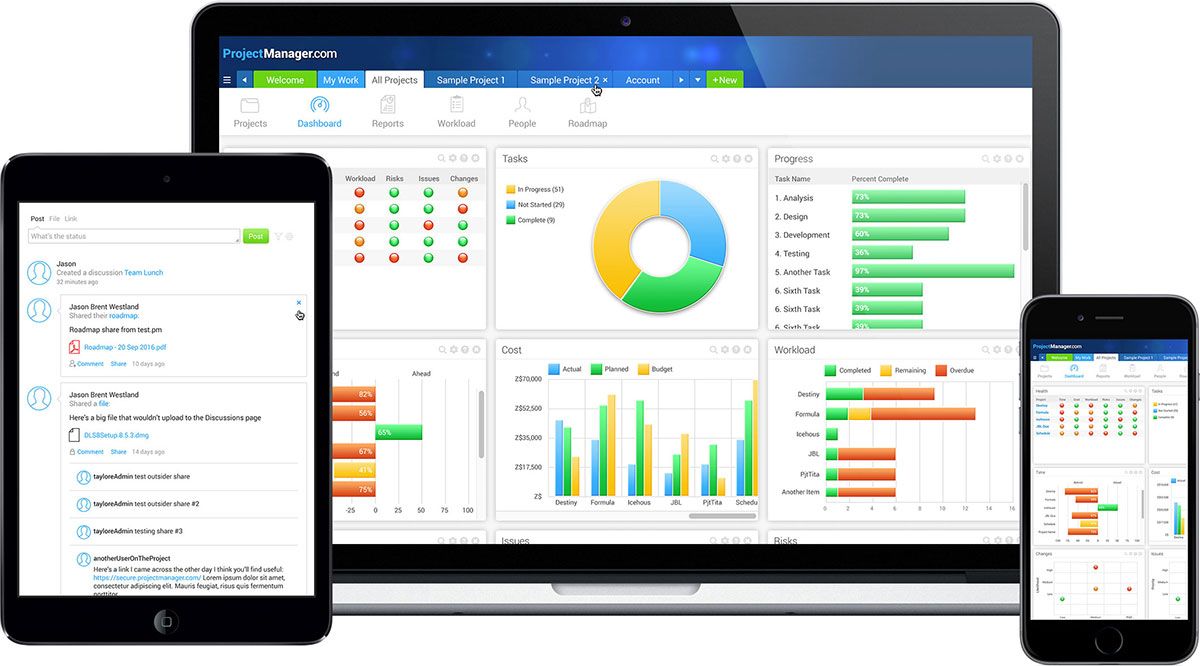
- Custom dashboards that track KPIs in real time
- Exportable formats that actually make sense
Better data = better decisions. And fewer late nights before reporting deadlines.
Step 5: Measuring What Actually Matters—Outcomes
It’s not enough to just track services. Agencies want to know:
- Are families staying housed longer?
- Are youth avoiding recidivism?
- Are mental health services improving long-term wellness?
Modern platforms let you define, track, and report on outcomes—not just outputs. That means impact is no longer anecdotal—it’s visible, quantifiable, and funder-friendly.
And yes, that matters when you’re trying to prove your program works (or get renewed funding).
One More Thing: It Has to Be Secure
This isn’t lost-and-found data. This is trauma histories, legal statuses, and medical information.
The right system has enterprise-grade encryption, role-based access, audit logs, and secure cloud storage. Because protecting your clients isn’t optional—it’s the baseline.
Final Thought: It’s Not Just Software—It’s Infrastructure for Impact
If it sounds like human services case management software is doing a lot, it is.
It’s the intake form. The service planner. The team coordinator. The deadline tracker. The grant reporter. The compliance officer. The long-term evaluator.
And when it works well? It gives your team back something priceless: time.
Time to listen. Time to connect. Time to actually do the work.
Because the goal was never “get better at data entry.”
It’s “get better at changing lives.”
And the right human services case management software helps you do exactly that.