Why online slot machines still fascinate so many gamblers
Online slot machines captivate millions of players worldwide. Behind their flashy reels and rapid gameplay lies a complex mesh of psychology, technology, and community dynamics. This exploration dives into ten key facets driving their enduring appeal, weaving together narrative, insight, and data—all in a human tone.
The psychology behind slot machine addiction
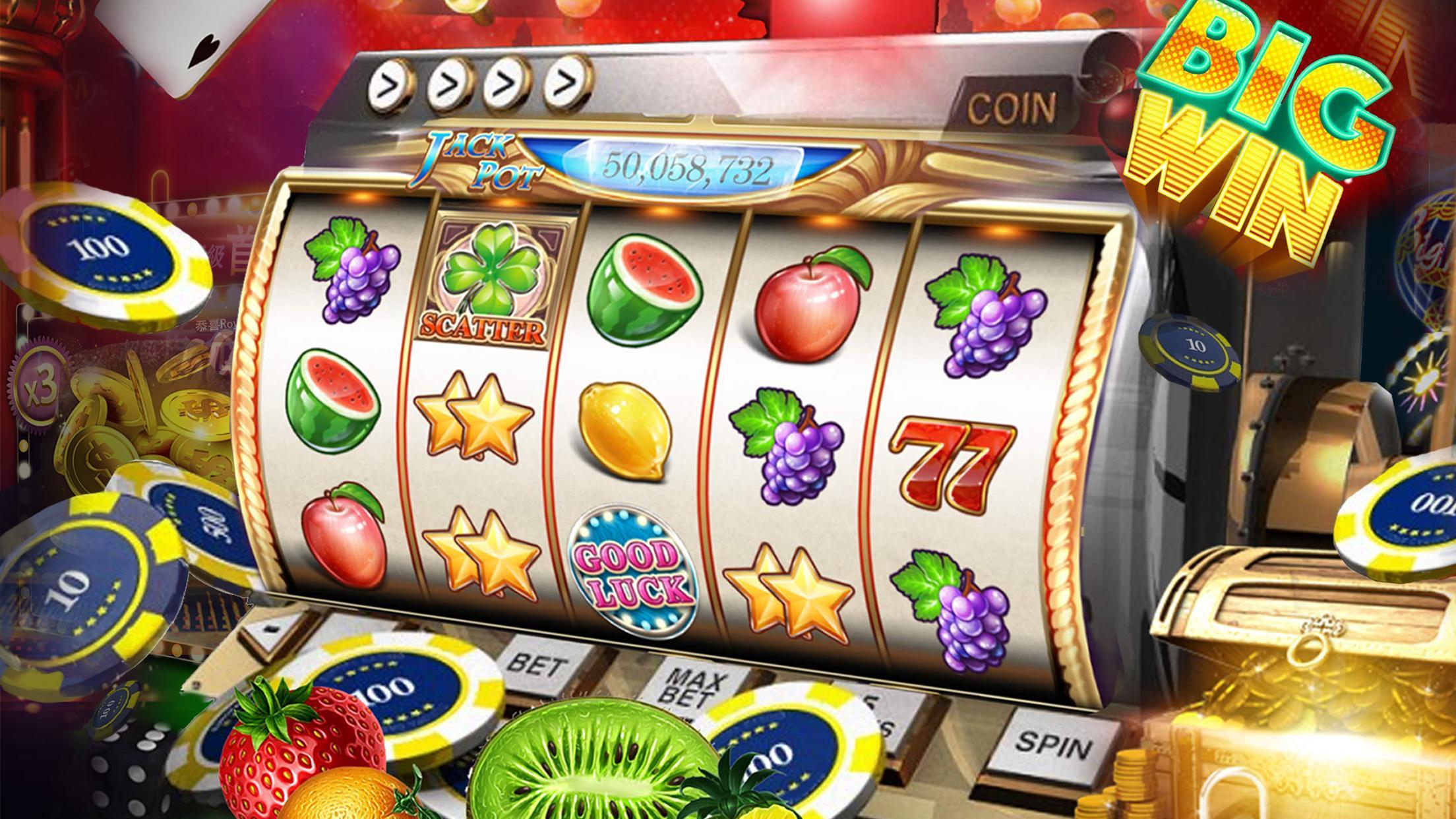
Every spin of an online slot taps into deep neurological reward pathways. These games Judi Slot rely on Random Number Generators (RNGs), ensuring outcomes are unpredictable. What makes them irresistible is not just the occasional win, but those tantalizing near‑misses—when you align two jackpot symbols and miss the third. Neuroscientists compare this to pouring extra sugar on the brain: near‑misses release dopamine, a chemical that signals reward—even though you didn’t win.
Layered on this are bright visuals, celebratory sounds, and sensory feedback. These elements serve as intermittent reinforcement, a strategy psychology calls exceptionally addictive because it trains the brain to chase unpredictable rewards—much like how slot machines are psychologically engineered to entice one more spin.
Accessibility and convenience of online slots
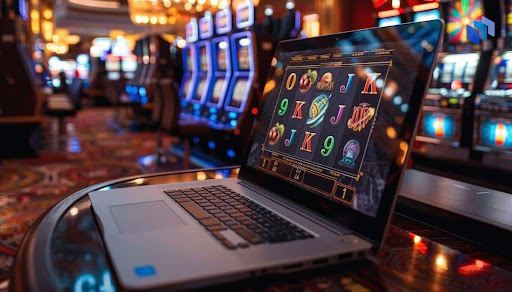
The second major hook is convenience. No need to visit physical casinos with bright lights and crowds—online slots are available 24/7 on phones, tablets, and desktop computers. Whether you’re commuting, on break, or killing time before bed, a slot game is always a tap away. This frictionless access means gambling can become woven into everyday life—sometimes without even realizing it.
Apps deliver smooth, swipe‑based gameplay. Desktop versions often sync progress across devices. You might begin on your laptop and continue on your phone minutes later. This multi‑platform coherence means slots fit fluidly into routines, increasing both playtime and emotional engagement.
Endless variety of themes and features
One of the most alluring aspects of online slots is their variety. Game developers craft reels with themes ranging from astrology and mythology to cult movies and futuristic sci‑fi. Players can spin with Cleopatra one moment and hunt for alien artifacts the next. These vivid themes are paired with bonus mechanics—free spins, multilevel mini-games, mystery symbols, and interactive bonus rounds that unveil hidden treasures or allow choosing one of several prize options.
This diversity keeps players immersed. No two sessions feel the same. Each theme or bonus sequence feels like stepping into a new story, keeping boredom at bay and fostering emotional resonance.
The illusion of control and player superstitions
Despite the underlying randomness, many slot players believe in strategies—from watching spin history to using fixed bet patterns. Some wait for a “hot” machine; others rub the screen in a ritualistic way. Fact is, these behaviors stem from the illusion of control: the mind’s drive to find patterns, to feel a stake in the outcome.
This misconception sustains belief and keeps players hooked. If one spin “felt off,” a ritual or strategy might fix it next time. Though statistically baseless, these superstitions add emotional reassurance, making the experience feel more than just luck.
Progressive jackpots and the dream of a life‑changing win
Progressive slots, especially those networked across many casinos, collect tiny portions of every bet to build massive prize pools—sometimes worth millions. Seeing a constantly climbing jackpot ticker fuels the fantasy of slipping in a small bet for a massive payoff. That occasional headline of someone becoming an overnight millionaire feeds hope—making a single spin feel loaded with possibility.
Even if the chances are astronomical, this dream is integral. The chance at life-altering wealth makes the reels feel laden with potential, feeding the emotional engine behind repeated spins.
The role of free play and no‑deposit bonuses
Many online casinos offer demo modes and no-deposit bonuses that allow players to experience gameplay without risk. These features serve as introductions—players enjoy the thrill of near-misses, bonus rounds, and colorful animations before committing funds.
Once hooked, players often deposit and continue playing with real money. Operators will follow up with deposit match offers, free spins, and loyalty programs—designed to lengthen sessions and reinforce regular engagement. It’s a soft immersion into the gambling world, supported by incentives that feel rewarding but always come with house-edge calculations.
Social and community aspects of online slots
Slots once felt solitary, but today’s platforms often feature multiplayer modes, leaderboards, and tournaments. Players can challenge others, share achievements, and feel part of a larger gaming community. Beyond the platforms, many gamers follow streamers on Twitch or YouTube, watching big wins or marathon sessions for entertainment—a blend of gambling and social TV. Online forums host rich discussions about strategy, features, and experiences, reinforcing the shared culture of slot enthusiasts.
Regulation and fairness—do players trust the system?
Trust is crucial in gambling. License authorities like the UK Gambling Commission, Malta Gaming Authority, and several European regulators require transparency—publish RTPs, undergo audits, and adhere to responsible gambling measures. This builds confidence but doesn’t erase skepticism. Many still doubt machines are truly random or fear manipulation. To counter this, educational efforts explain key concepts: each spin is independent, past outcomes don’t influence future results, and RTP is a long-term average, not a short-term guarantee.
Why some players prefer slots over casino games
Compared to games like poker or blackjack, slots are astonishingly simple: choose your bet, hit spin, and enjoy the outcome. No strategy, no learning curve. No pressure from decisions or competition. Even sports betting requires research—slots simply offer sensory entertainment and occasional reward, accessible to anyone. With lower stakes and faster rounds, slots create a dopamine-rich, low-stress experience that appeals to a broad audience.
Balancing fascination and risk
What makes online slots so compelling? It’s the perfect merger of science and design: psychological hooks, immersive themes, random reward systems, community ties, and the ever-present dream of a big win. They’re easy to play, yet hard to quit.
Still, knowledge matters. Tools help players recognize harmful patterns. Regulation ensures fairness. Developers are increasingly mindful—adding features to support responsible behavior. Players equipped with awareness and restraint can enjoy slots responsibly; others may need to step away entirely.
Future horizons: VR, AI, and beyond
What lies ahead? Imagine entering a VR casino, picking up virtual tokens, and playing alongside friends in real time. Or games Slot Gacor that analyze your preferences and adapt volatility—if you’re a thrill-seeker, they escalate; if you prefer steady play, they dial back the swings. AI might serve as a coach, helping you budget play sessions or reminding you to take breaks.
This future blends creative technology with emotional complexity, offering deeper engagement but requiring even more care and ethical oversight.
Mindful engagement in a rich landscape
Online slots continue to fascinate because they’re finely tuned—engaging, varied, convenient, and psychologically rewarding. For casual players, they offer fun and fleeting highs; for some, they can spiral into dependency with real-world harms.
Awareness is key. Know the odds, manage your time and money, use responsible tools, and stay connected with others. Whether you’re there for entertainment, escapism, or that elusive big hit, understanding the machine helps you stay in control.