How Sustainable Footwear Brands Are Rethinking Thread Selection
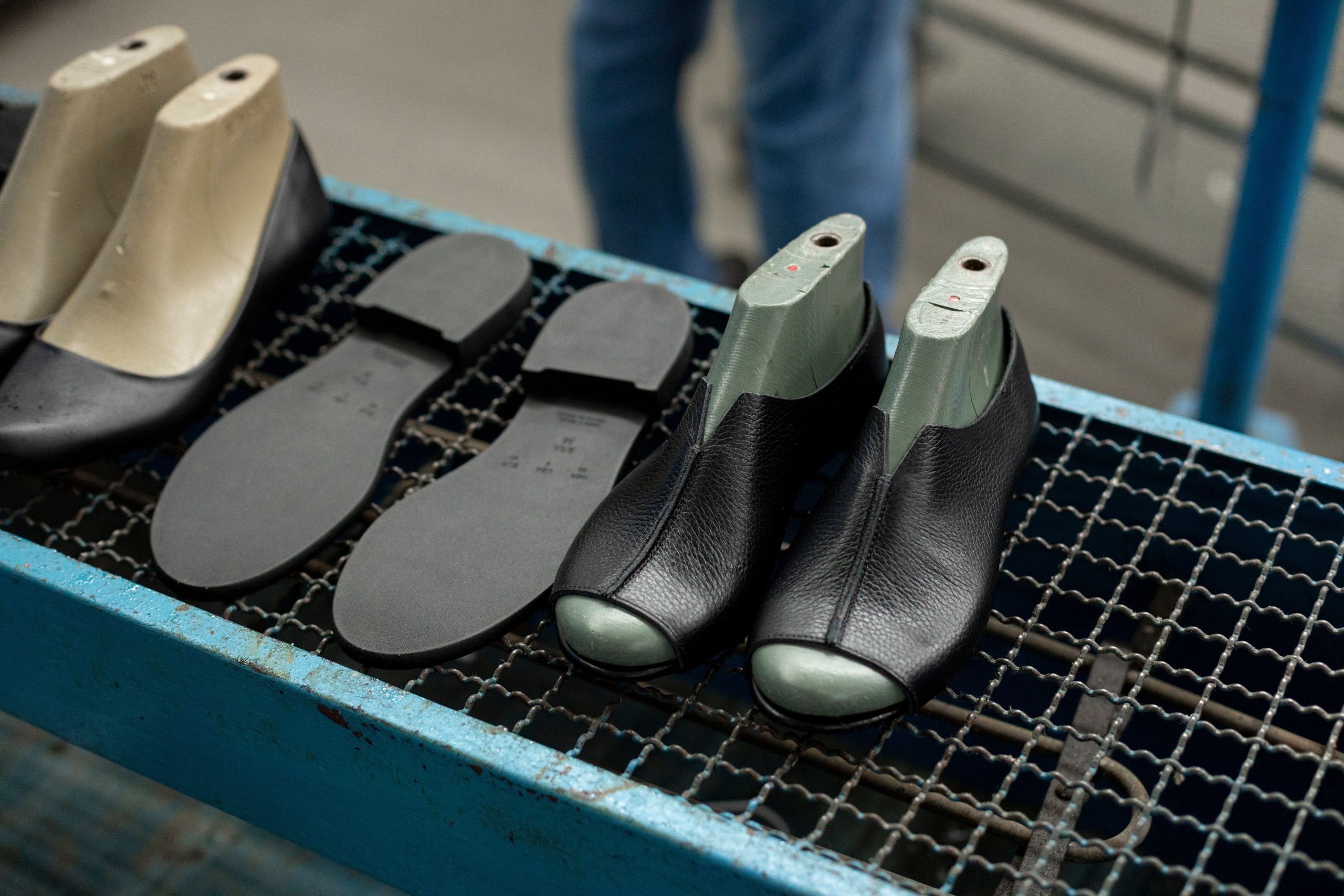
Sustainability is a key concern for the footwear sector. Consumers today are looking for environmentally responsible products, and shoe manufacturers are looking at each of the shoe’s elements to minimize the environmental impact. Although recycled fabrics, plant-based leather substitutes, and eco-friendly soles are considered highly important materials, a key ingredient in sustainable production is now being recognized: the sewing thread.
Sewing thread isn’t a large component, but it has an important contribution to make to the longevity, repairability, recyclability and sustainability of a shoe. The footwear brands of sustainability are reconsidering the choice of thread they use, making sure that every stitch does a bit more than its share of the load for the shoe itself, and for the planet as well. Thus, the brands are using innovative materials and production methods that allow them to produce products that fit into the principles of a circular economy.
Why Thread Selection Matters
There are thousands of stitches in a shoe that join the upper, lining, reinforcements, and decorations together. The strength, flexibility and life of a shoe are directly related to the quality and type of thread.
Low-quality thread can cause losses due to seam failure, product returns, and early product wear, reducing waste and the use of resources. Sustainable brands understand that longer-lasting shoes means that they do not need to be replaced as often and that durable thread is also an integral part of conscious product design.
The suitable choice of thread also contributes to the enhancement of manufacturing efficiency by ensuring better quality in the sewing process, preventing thread breakage and defects, and decreasing reworking etc., which assists the manufacturers in saving the materials used during the manufacturing.
Moving Toward Recycled Thread Materials
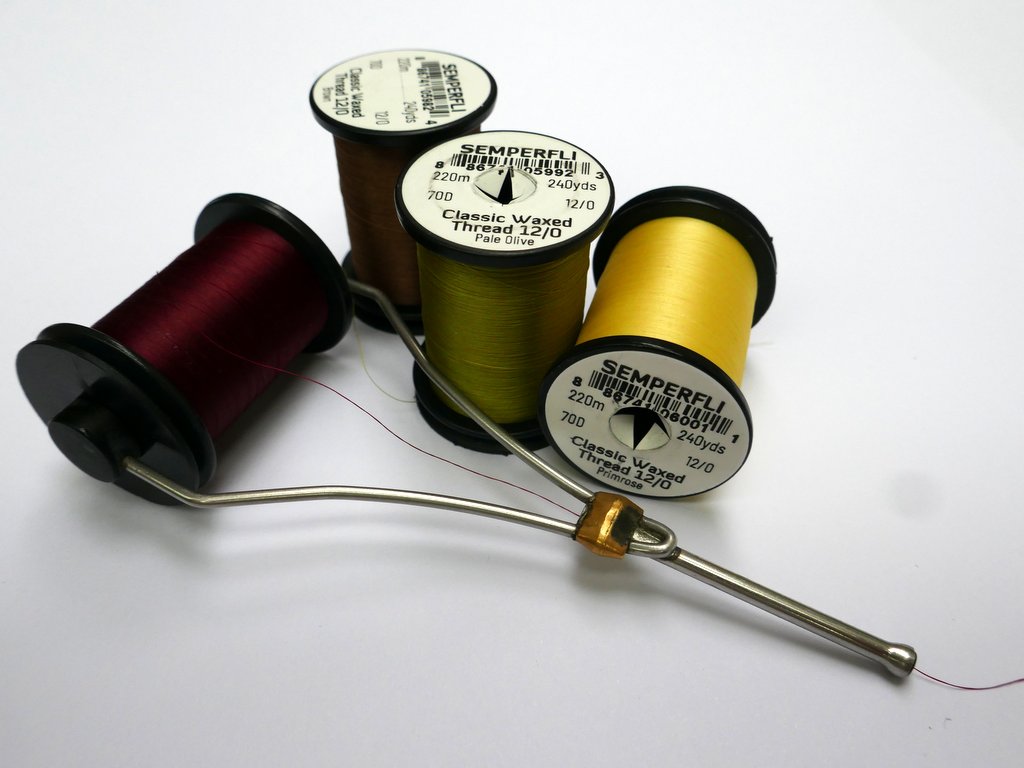
The use of recycled materials has become a major transformation in the ongoing debate over sustainable thread. Nowadays, lots of footwear brands have begun to incorporate recycled polyester from post-consumer plastic bottles or industrial waste as a sewing thread like polyester sewing thread and polyester embroidery thread.
These materials offer the same performance as normal polyester products and help to cut down on the use of raw, petroleum-based polyester products. They also aid brands in reducing their greenhouse gas emissions and contribute to other sustainability initiatives.
The high quality of recycled threads ensures they retain high tensile strength, abrasion resistance, and color uniformity, thereby perfect for sports shoes, casual shoes and products for outdoor use.
Exploring Bio-Based and Renewable Fibers
Some brands are trying out bio-based thread options which are not from recycled materials, but come from renewable resources instead. They can be derived from natural materials or plant-based polymers.
Bio-based threads are still under development for use in high-performance footwear, but progress in material technology is bringing strength, durability and water resistance to their capability. With the advancement of technology, the sustainability movement might also see the introduction of an ever-expanding range of renewables in footwear.
Designing for Longer Product Life
While sustainability as a subject includes the use of such materials and methods, it also relates to the design of more durable products.
In fact, the durability of footwear is closely connected with its ability to endure flexing, moisture, and believe it or not, the day-to-day stresses of use, all of which are well affected by the use of excellent thread. Quality threads are designed to retain and lock the seams even when the threads are subjected to high stress, thereby minimizing the need for repair or product disposal.
Shoes can be made using more sustainable sewing threads, as this helps to reduce the environmental footprint of replacing shoes.
Supporting Repairability
The rising repair trend promotes repairing people’s shoes instead of replacing them. Repairs with durable thread will be easier and more effective, as it will hold the strength of the seams.
A few brands are also using the same shoe-making techniques to use the same type of threads that were used in the original construction of the shoe, so that professional shoe repair shops can restore the shoe without sacrificing performance or style.
Repair-friendly footwear not only contributes to the principles of circular economy, it can also extend the lifespan of products and minimize textile waste.
Improving Recyclability
The recycling of shoes is a more complicated process due to the combination of the diverse material components in shoes. Each shoe contains footwear elements which can be separated and recycled with varying ease depending on their choice of thread.
For enhanced material compatibility, some sustainable shoe brands choose to use thread that matches the material of the shoe upper. This helps make recycling easier because there’s less pollution of the material.
The manufacturers are also experimenting with making shoes easier to disassemble at the end of life for more effective material recovery.
Reducing Environmental Impact During Production
The manufacturing of sustainable thread isn’t nearly as simple as it sounds. The producing threads are economically important and responsible for investing in an environmentally friendly process of production that will minimize resource consumption.
These improvements could include:
- Lower water usage during dyeing
- Energy-efficient manufacturing processes
- Reduced chemical consumption
- Waste minimization initiatives
- Renewable energy integration
- Responsible wastewater treatment
Using environmentally friendly thread sources will lessen the environmental impact of a brand’s supply chain.
Selecting Certified Thread Suppliers
International certification for responsible manufacturing is growing in popularity and is an expanding way to support sustainability claims.
Footwear brands may seek materials in line with standards for environmental management, recycled content, limited chemical usage, and responsible sourcing, among others. These certifications not only offer peace of mind that the materials meet global sustainability standards, but they also help brands meet regulatory expectations in international markets.
Working with certified suppliers also enhances transparency throughout the footwear supply chain.
Maintaining Performance Without Compromise
There should never be a compromise on product performance when prioritizing sustainability. Shoes must still maintain high technical standards, such as:
- High tensile strength
- Excellent abrasion resistance
- Flexibility under repeated movement
- UV resistance
- Moisture resistance
- Colorfastness
- Heat resistance during manufacturing
The critical advantage of modern sustainable threads is that they are often equal in performance to traditional ones, meaning brands can meet environmental targets without compromising on product quality or durability.
Digital Traceability and Material Transparency
Many sustainable brands are turning to digital solutions to increase supply chain visibility. Thread suppliers are starting to provide detailed documentation and product traceability systems to answer questions about the origin of the material, recycled content, manufacturing processes, and environmental impact.
This visibility facilitates sustainability reporting and enables consumers to gain a better understanding of the environmental footprint of the products they buy.
Collaboration Drives Innovation
There is a significant push to drive the advancement of sustainable thread technology through partnerships between brands, thread suppliers, material scientists and research institutes.
Joint Development Projects are dedicated to the development of stronger recycled fibers, biodegradable products, low-impact dyeing technologies and threads specifically made for circular production lines.
Through these collaborations, the industry is working to find solutions that are sustainable, performance-driven and cost-efficient.
Conclusion
Sewing thread is a very small part of the shoe, but is still very significant for its durability, repairability, recyclability, and manufacturing efficiency. There are brands that promote eco-friendly shoes that are beginning to realize that all parties play a role when it comes to creating eco-friendly goods.
Manufacturers can now make sustainable choices about which threads and materials to use in footwear production—including recycled and renewable options, responsible suppliers, better production methods, and longer-life and repairable products. Eco-friendly sewing threads will become even more integral in the evolution of footwear, demonstrating that every stitch counts in the quest for sustainability.