Footwear Quality Assurance: Key Stitching Parameters Every Manufacturer Should Monitor
In the competitive footwear industry, quality is a defining factor that influences customer satisfaction, brand reputation, and product longevity. The major elements of footwear construction include stitching, manufacturing processes, and materials, but design is perhaps one of the most important. Each stitch is responsible for the connection between different parts of the shoe, providing its structure, comfort, and durability. No matter how premium the leather, synthetic materials, or state-of-the-art fabric is, if it is not sewn properly, it will not last long.
Manufacturers need an effective quality assurance (QA) system that can assess some critical parameters during the stitching procedure to ensure the optimal quality of the stitches obtained. These parameters can help footwear manufacturers decrease the amount of defects, increase efficiency, decrease product returns, and provide shoes that not only meet industry standards but also satisfy customer expectations as well.
Why Stitching Quality Matters in Footwear Manufacturing
Walking, running, bending, twisting, and changing environmental conditions force the footwear quality assurance to continually endure stress. Repeated mechanical loads are applied to seams around the upper/sole attachment, heel counter, after-eyes, and toe box. Seam failures can happen very early in the shoe’s life if any of the seams weaken or become inconsistent with wear.
Stitching quality assurance benefits manufacturers by:
- Improve product durability.
- Minimize customer complaints and warranty matters.
- Ensure consistency in production quality.
- Enhance wearer comfort.
- Minimize production waste and rework.
- Strengthen brand reputation.
Quality control of the stitching during the production process guarantees that every pair of shoes can function as it should in regular use.
Thread Quality and Consistency
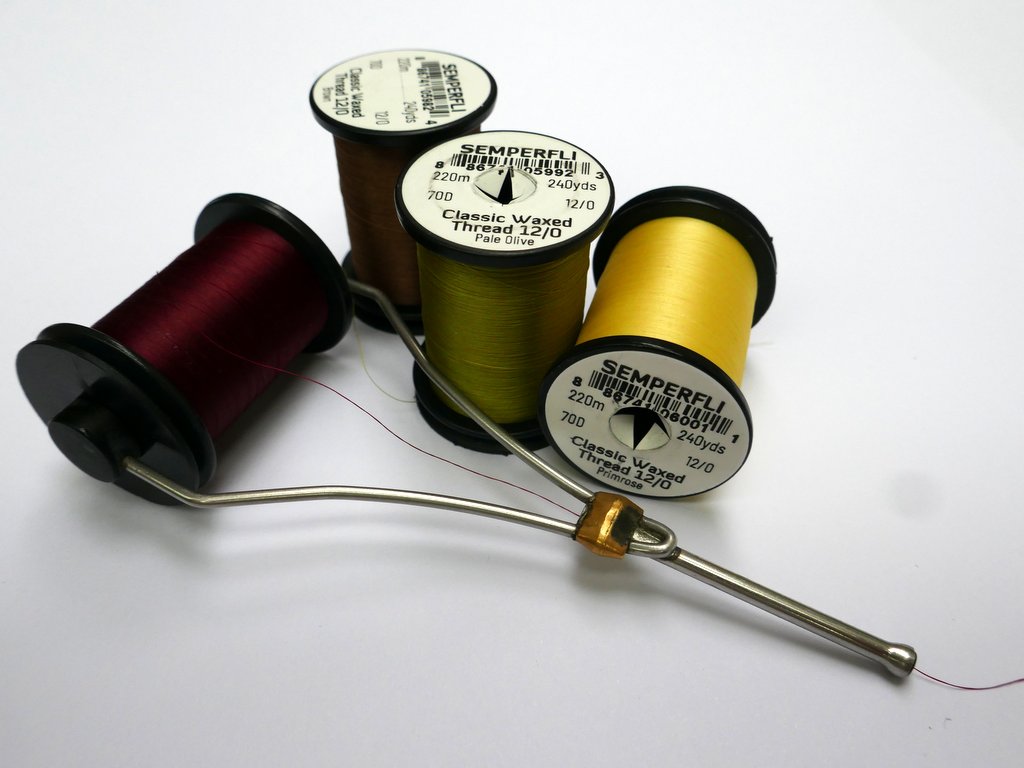
Sewing thread is the starting point for any good seam. It’s the responsibility of the quality assurance team to ensure that the chosen thread complies with the design standards and the application’s needs.
The following properties of the thread are important:
- Tensile strength
- Uniform thickness
- Color consistency
- Abrasion resistance
- Elasticity
- Resistance to moisture and heat
The quality of thread (nylon sewing thread, bonded nylon thread) may differ in some cases, leading to uneven stitches, frequent thread breakage, or premature seam breakage. Incoming thread quality is maintained by regular inspection of batches.
Stitch Density (Stitches Per Inch)
The number of stitching densities, which can be measured in stitches per inch (SPI) or stitches per centimeter (SPC), is directly related to the strength and flexibility of the resulting seams.
On the one hand, very few stitches can result in weak seams, which can open up under tension, and on the other, high stitch rates can perforate thin fabrics, diminishing their strength and causing tearing.
Manufacturers should set common stitch density criteria on a per-shoe type basis for:
- Material type
- Thread size
- Seam location
- Intended product use
The regular measurement guarantees uniformity of the production lots.
Thread Tension
It’s important to achieve a balanced thread tension for clean and durable seams. If they are not appropriately tensioned, it can result in several quality problems.
Excessive tension may cause:
- Thread breakage
- Material puckering
- Reduced seam flexibility
- Needle damage
If there is not enough tension, it can lead to the following:
- Loose stitches
- Poor seam appearance
- Reduced seam strength
- Skipped stitches
Optimal stitch quality is maintained by regularly calibrating the machine and tension testing.
Selecting the Needles
The needles have an important role in the stitching performance. The improper type of needle or the use of a needle that is worn down may cause damage to the material and inferior seam quality.
A quality assurance team needs to keep an eye on the following:
- Needle size
- Needle point type
- Needle wear
- Replacement frequency
- Compatibility with thread size
Sharp needles are best for fabric that wicks tightly together, while ballpoint needles work best for knitted or stretch fabrics often used in athletic shoes.
Seam Alignment
Positioning the seams is an important consideration of product appearance and integrity. Misaligned seams may cause discomfort, durability issues, and affect the beauty.
QA inspectors are required to check:
- Straight stitch lines
- Uniform seam allowances
- Symmetrical construction
- Proper alignment of upper components
- Accurate joining of multiple materials
This also ensures a better manufacturing accuracy because everything fits together more accurately.
Stitch Formation Quality
The stitches should be formed correctly, and there should not be any defects in a stitch that undermines the seam.
Common stitching issues are the following:
- Loose loops
- Uneven stitch length
- Broken threads
- Double stitching where it was not required
Such problems have the potential to be identified through visual checks or automatic monitoring systems before they reach the next step in the product manufacturing process.
Seam Strength Testing
Just looking at a seam is not enough to assure the durability of the seam. Regular seam strength testing can be undertaken to test the actual performance of manufacturers.
Common testing methods include:
- Tensile strength testing
- Seam slippage testing
- Peel resistance testing
- Dynamic flex testing
The tests are designed to reflect the stresses of the actual work situation to ensure that seams meet performance requirements.
Machine Calibration and Maintenance
Whatever threads and operators are used, they can’t make up for a poorly maintained sewing machine.
Preventive maintenance programs should cover the following:
- Thread tension adjustment
- Feed mechanism inspection
- Needle bar alignment
- Presser foot pressure checks
- Lubrication schedules
Accurate equipment increases the uniformity of the stitches and minimizes downtime and production flaws.
Environmental Factors During Production
Stitching performance can vary with conditions during production. The material properties and thread behaviour are both influenced by temperature and humidity.
Maintaining stable environmental conditions helps:
- Reduce thread breakage
- Prevent material distortion
- Improve stitch consistency
- Support accurate machine settings
Quality assurance programmes should control the factory condition in addition to the production condition.
Final Inspection and Performance Testing
Finished footwear must be thoroughly tested for quality before delivery.
Inspection typically includes the following:
- Visual seam inspection
- Symmetry verification
- Thread trimming quality
- Flex testing
- Wear simulation
- Sole attachment assessment
- Functional performance checks
Random sampling and statistical quality control procedures assist in pinpointing trends in production prior to the defect reaching the customer.
Conclusion
The quality of the stitching is a key element in shoe production, affecting their lifespan, comfort, brand reputation, and overall user satisfaction. For effective quality assurance, the manufacturers must be able to track various sewing process factors like stitch density, seam alignment, resource conditions of the needle and sewing thread, reinforcement methods, sewing machine operating quality, quality of the sewing thread, etc.
Manufacturers can minimise defects and enhance production consistency by conducting comprehensive inspections, performing routine equipment maintenance, training operators, and implementing advanced quality monitoring systems. In a competitive environment where consumers demand durable, high-quality performance footwear, careful monitoring of the footwear stitching parameters is more than just a quality assurance tool—it is an investment in product excellence, operational efficiency, and business success.